Thursday, October 30, 2025

How to Earn Passive Income While Traveling Southeast Asia

How to Earn Passive Income While Traveling Southeast Asia (2025 Guide)

How to Earn Passive Income While Traveling Southeast Asia (2025 Guide)

Updated: 31 October 2025 · Reading time: 11–13 minutes
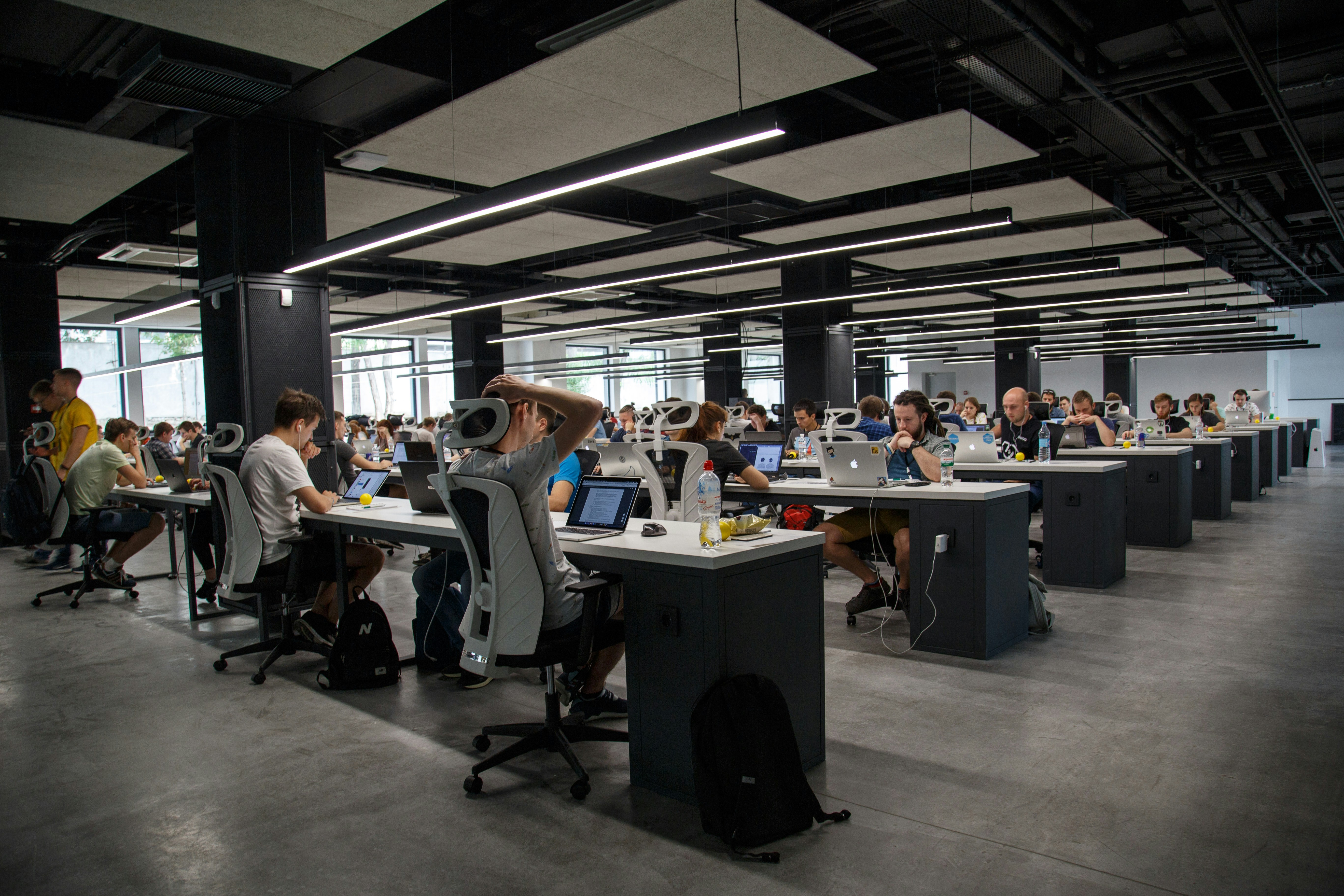
Traveler working on a laptop by the beach in Southeast Asia
Imagine your income flowing in while you explore beaches, temples, and night markets across Southeast Asia.

Passive income is not a magic switch, but with the right systems you can create revenue streams that continue while you explore. For travelers in Southeast Asia, the cost of living is low enough that US$500–1,200/month in semi-passive income often covers rent, food, and local travel. This guide explains digital, affiliate, and investment strategies to set up before or during your journey.

Quick wins for nomads in 2025:
• Niche blogging with AdSense + affiliates
• Selling print-on-demand products
• Dividend ETFs or high-yield savings apps
• Digital products (courses, guides)

1. Build a blog or YouTube channel with affiliate links

Content platforms are still one of the most reliable passive income streams. Focus on long-tail travel or lifestyle keywords. Combine display ads (Google AdSense) with targeted affiliate links (insurance, booking, gear).

  • Post consistently (SEO blog: 1,200–1,500 words / video: 6–10 min).
  • Use keyword tools to target low-competition queries.
  • Monetize with AdSense + affiliate programs like Booking, Agoda, and SafetyWing.

2. Sell digital products

Digital goods scale infinitely once created. Ebooks, PDF itineraries, and mini-courses sell on autopilot with email funnels.

  • Create trip-planning guides for Thailand, Vietnam, Cambodia.
  • Host mini-courses on platforms (Udemy, Gumroad).
  • Automate delivery with email autoresponders.

3. Run print-on-demand or dropshipping stores

Merch and gear shops require setup but minimal ongoing effort. Design T-shirts, tote bags, or travel journals; fulfill via POD partners. Dropship travel accessories like power banks or dry bags.

4. Invest in income-generating assets

  • Dividend ETFs: Pay quarterly dividends, accessible via global broker apps.
  • High-yield savings apps: Stable returns for emergency funds.
  • Peer-to-peer lending: Higher yields but higher risk. Diversify small amounts.

Digital nomad checking passive income dashboard on laptop
Automated dashboards let you track affiliate sales, ad revenue, and investments while traveling.

5. Automate your income flow

  1. Use content schedulers for blogs and YouTube.
  2. Set up automatic payouts to global bank accounts.
  3. Track income with spreadsheets or apps (Notion, Wave).

Case study: $1,000/month mix

A traveler in Chiang Mai earns US$400 from a travel blog (AdSense + affiliate), US$250 from an ebook + itinerary bundle, US$150 from POD merch, and US$200 in dividends. Rent: US$320, food: US$220, coworking: US$120 → Lifestyle covered with margin.

Tools to get started

Replace # with affiliate URLs. Mark as sponsored with rel="sponsored".

FAQ: Passive income while traveling

Can I really make money while I sleep?

Yes, but only after upfront work. Content, products, or investments need setup first. Once built, they produce income with low maintenance.

What’s the easiest first step?

A niche blog with AdSense + 2–3 affiliate programs. Low startup cost and scalable.

Is this income stable?

No passive income is guaranteed. Diversify 3–4 streams to balance risk.

This article shares general information only. Earnings vary and are not guaranteed. Always research financial products and comply with tax laws in your home country.

Thursday, October 16, 2025

Hidden Temples in Northern Thailand You’ve Never Heard Of

Hidden Temples in Northern Thailand You’ve Never Heard Of (2025 Guide)

Hidden Temples in Northern Thailand You’ve Never Heard Of (2025 Guide)

Updated: 17 October 2025 · Reading time: 11–13 minutes

Buddhist temple hidden in a forest in Northern Thailand
Forest temples and hidden courtyards across Northern Thailand remain peaceful escapes from crowds.

Northern Thailand is famous for glittering temples in Chiang Mai and Chiang Rai, but beyond the postcard sites lie hidden sanctuaries of history and peace. These lesser-known temples often combine forest trails, murals, wooden halls, and local rituals. In 2025, they remain untouched by mass tourism, making them perfect for cultural explorers and slow travelers. This guide reveals hidden gems across Chiang Mai, Lampang, Nan, and Phrae, with budget travel tips and access details.

Why visit hidden temples?
Smaller crowds, authentic rituals, quiet meditation spaces, and unique local architecture rarely seen on mainstream tours.

1. Wat Pha Lat, Chiang Mai

Nestled in the forest on the trail to Doi Suthep, Wat Pha Lat blends stone carvings, jungle streams, and meditation halls. Many travelers hike the “Monk’s Trail” (40–60 min uphill) for free, then enjoy the serenity of the hidden compound. No entry fee; donations welcome.

2. Wat Phra That Lampang Luang (hidden courtyards)

While the main temple is well known, Lampang Luang’s side courtyards remain quiet even in high season. Wooden viharns and Lanna murals reward those who explore beyond the central chedi. Reachable by songthaew from Lampang town.

3. Wat Phumin, Nan

Famous locally for its “Whispering Lovers” mural, this 16th-century temple also hosts community events and evening candlelit rituals. Nan remains off the radar for most foreign backpackers, making Wat Phumin a calm cultural stop.

4. Wat Chom Sawan, Phrae

Built in Burmese-style teak, this small temple glows with golden details at sunset. Phrae town sees few visitors, but its wooden heritage and temples like Wat Chom Sawan provide insight into cross-border culture.

Teakwood Buddhist temple with golden details in Northern Thailand
Phrae’s teak temples show Burmese influence. Few tourists reach here, keeping it authentic.

5. Wat Umong, Chiang Mai

Known for its ancient tunnels and forest setting, Wat Umong is used by local monks for meditation. Visitors can wander shaded paths, feed fish in the pond, and reflect in near silence despite being close to the city.

Tips for visiting hidden temples

  • Dress modestly: shoulders and knees covered.
  • Visit mornings or late afternoons for fewer crowds.
  • Carry small change for donations (10–20 baht).
  • Respect no-photo zones, especially murals and monks.
  • Use Grab or songthaew for affordable access in towns.

Budgeting your cultural trip

  • Local buses between provinces: US$4–7 per ride.
  • Guesthouses in Nan/Phrae: US$12–20 per night.
  • Meals near temples: US$1.50–3.00 for noodles, curries, or sticky rice sets.

How to combine temples in a trip

Start in Chiang Mai (Wat Pha Lat + Wat Umong), bus south to Lampang for Lampang Luang, then east to Phrae and Nan for Chom Sawan and Phumin. A 5–7 day cultural loop costs ~US$150–220 including transport, stays, and food.

Helpful tools for cultural travelers

Replace # with affiliate URLs. Mark as sponsored with rel="sponsored".

FAQ: Hidden temples Northern Thailand

Do hidden temples charge entry?

Most are donation-based. National heritage sites may charge ~US$1–3.

Are they accessible without a motorbike?

Yes. Songthaews, Grab, and local buses connect major towns. Some temples (Wat Pha Lat) require short hikes.

Is photography allowed?

Usually yes outdoors, but always check signs. Avoid flash on murals or during ceremonies.

Information reflects 2025 typical conditions. Access, fees, and opening hours may change. Verify locally before visiting.

Thursday, October 2, 2025

Best Travel Insurance for Southeast Asia Backpackers 2025

Best Travel Insurance for Southeast Asia Backpackers 2025

Best Travel Insurance for Southeast Asia Backpackers 2025

Updated: 3 October 2025 · Reading time: 11–13 minutes

travel insurance backpacker tips Southeast Asia
Backpacker with travel gear preparing for trip in Asia
Medical costs and evacuations add up fast. A good policy turns emergencies into admin, not debt.

Backpacking across Thailand, Vietnam, Cambodia, and beyond is affordable, but hospital bills, evacuations, or lost gear can ruin a trip. In 2025, the best travel insurance for Southeast Asia backpackers balances medical coverage, evacuation, and adventure sports add-ons with realistic daily premiums. This guide explains what to buy, how to read policy fine print, and where affiliate-friendly tools fit without biasing your choices.

Quick take: Aim for US$100,000+ medical cover, US$250,000+ evacuation, US$1,000–2,500 gear, and trip interruption benefits. Add motorbike and water-sports riders if you’ll actually use them.

Coverage checklist for backpackers

  • Emergency medical: At least US$100k. Covers inpatient, surgery, diagnostics, meds.
  • Medical evacuation: US$250k+ to move you to the nearest adequate facility or home.
  • Adventure sports: Optional rider for scuba, trekking above 3,000m, zipline, etc.
  • Motorbike incidents: Coverage contingent on license + helmet + sober riding.
  • Trip interruption/cancellation: Protects prepaid tours and flights.
  • Personal belongings/gear: Cameras and laptops with per-item limits.
  • 24/7 assistance: Hotline for hospital guarantees and translation.

Common exclusions to watch

  • Alcohol- or drug-related accidents.
  • Riding a motorbike without the correct home-country license.
  • Unapproved adventure sports without the right rider.
  • Pre-existing conditions without declaration or waiting period.
  • Working for pay (unless a specific work/travel policy covers it).

Plan types compared

Plan TypeGood forTypical CoveragePrice Guide (2025)
Single-Trip 1–6 week trips around SEA Medical 100–250k, evac 250k+, basic gear ~US$2.50–5.00/day
Multi-Trip Annual Frequent flyers, multiple short trips Higher caps, each trip 30–60 days ~US$180–350/year
Long-Stay/Backpacker 90–365 day journeys Medical 250k+, evac 500k, optional sports ~US$3.50–7.50/day
Nomad Health Hybrid Remote workers needing outpatient + telehealth Outpatient, mental health, some pre-ex coverage ~US$60–120/month

Adventure sports and riders

Many backpackers try scuba, canyoning, or jungle ziplines. Standard plans may exclude these or cap depths and altitudes. If you plan to ride motorbikes or dive beyond 18m, add the correct rider and carry proof. Without it, claims are often denied even for minor incidents.

How to read policy documents

  1. Definitions section: Clarifies “evacuation,” “nearest adequate facility,” and “adventure sports.”
  2. Conditions precedent: Steps you must follow (notify within 24–48 hours, police report for theft, etc.).
  3. Sub-limits: Per-item gear caps and outpatient daily limits.
  4. Excess/Deductible: Higher deductibles drop the premium; ensure you can afford the out-of-pocket.
  5. Pre-existing clause: Look for moratorium or medical screening options.

Cost examples for a 30-day trip (age 25–35)

ScenarioPlanIndicative CostNotes
Thailand + VietnamSingle-TripUS$85–140Medical 100–250k, evac 250k+
SEA loop 3 monthsBackpacker Long-StayUS$320–550Add motorbike + scuba riders if needed
Four weekend tripsAnnual Multi-TripUS$180–300Each trip up to 30–45 days

Real-world claim tips

  • Save digital and paper copies of receipts, doctor notes, and police reports.
  • Call the assistance hotline before major treatment to open a case number.
  • Ask hospitals for a guarantee of payment from the insurer to avoid large deposits.
  • Photograph damaged gear before disposal; keep serial numbers.
  • Submit claims within stated deadlines; track via email reference.

Motorbike coverage: what actually triggers a payout

  • Correct home-country motorcycle license matching engine size.
  • Helmet worn and police report for accidents.
  • Sober riding; roadside tests can void claims if positive.

When a basic plan is enough

If you skip motorbikes and high-risk sports and stay under 60 days, a single-trip plan with solid medical and evacuation cover is usually sufficient. Add trip interruption only for prepaid tours or flights you cannot flex.

When to upgrade your plan

  • You’ll ride motorbikes or dive beyond beginner limits.
  • You carry expensive camera gear or a work laptop.
  • You have a medical history that needs declared coverage.
  • Your itinerary includes remote islands with limited hospitals.
Scooter on a tropical coastal road in Southeast Asia
Most claims in SEA involve motorbikes. Licenses, helmets, and add-on riders are the difference between paid and denied.

Step-by-step: buying the right policy

  1. List activities you will actually do (motorbike, scuba, trekking altitude).
  2. Choose plan type (single, annual, long-stay) based on trip length and frequency.
  3. Compare medical + evacuation caps and verify hospital networks in Thailand/Vietnam.
  4. Check exclusions, sub-limits, and documentation requirements.
  5. Pay with a no-FX-fee card and save policy PDF + hotline numbers offline.
Tools to compare and buy

Replace # with affiliate URLs. Use rel="sponsored" and UTM tags.

Frequently asked edge cases

Will my plan cover dengue or food poisoning?

Yes for most plans under emergency medical, but check for outpatient caps and hospital admission rules.

Does insurance cover learning to ride a motorbike?

Usually excluded if unlicensed. Licensed riders may be covered on small engine sizes per policy wording.

What about working remotely?

Travel insurance covers travel risks, not employment. Consider nomad health/expat plans for longer terms.

This article provides general information, not financial advice. Coverage, prices, and eligibility vary by nationality, age, and insurer. Always read the policy schedule and wording before purchase and confirm local hospital acceptance.

Thursday, September 18, 2025

Island Hopping in Krabi: Budget Itinerary & Transport Tips

Island Hopping in Krabi 2025: Budget Itinerary & Transport Tips

Island Hopping in Krabi 2025: Budget Itinerary & Transport Tips

Updated: 19 September 2025 · Reading time: 11–13 minutes

Longtail boat at turquoise waters in Krabi
Longtail boats connect Krabi’s famous islands cheaply. Knowing routes and prices keeps budgets intact.

Krabi is one of Thailand’s most scenic provinces, dotted with limestone cliffs, turquoise lagoons, and dozens of accessible islands. Island hopping is the highlight here, but packaged tours can drain your wallet fast. In 2025, you can still explore Hong Islands, Phi Phi, and local “Four Islands” on a budget of US$25–45/day with smart choices about transport, routes, and timing. This guide lays out sample itineraries, real costs, and practical transport hacks to help you see more while spending less.

Budget snapshot 2025:
Shared longtail boat tours: US$12–18 per person
Speedboat group tours: US$25–40
National park fees: US$3–10
Meals: US$2–4 local food near piers or beaches

Where to base yourself in Krabi

  • Ao Nang: Easy access to longtail boats and tour agencies.
  • Railay: Beautiful but pricier. Great for one or two nights.
  • Krabi Town: Cheaper stays, local markets, buses to piers.

3-day budget island hopping itinerary

DayDestinationTransportApprox. Cost
Day 1 Four Islands Tour (Poda, Chicken, Tup, Phra Nang) Shared longtail boat US$15 + US$3 park fee
Day 2 Hong Islands Group speedboat US$30 + US$10 park fee
Day 3 Phiphi Islands (day trip) Ferry or budget speedboat US$35 incl. lunch

Transport options explained

  • Longtail boats: Iconic wooden boats, best for short hops. Prices negotiable, cheaper with groups.
  • Group speedboats: Faster, cover more islands in one day, but higher cost.
  • Public ferries: Cheapest way to Phi Phi or Koh Lanta, slower but budget-friendly.
Tourists boarding a longtail boat in Krabi
Shared longtail boats remain Krabi’s budget traveler favorite for island hopping.

Money-saving hacks

  • Buy tickets at the pier or local agents, not hotel desks.
  • Join group boats instead of hiring private charters.
  • Pack snacks and refillable water bottles.
  • Travel shoulder season (May–June, Sept–Oct) for 20–30% lower prices.
  • Bring your own snorkeling gear to avoid rental fees.

Food & drink near piers

Ao Nang and Krabi Town have cheap noodle stalls and seafood markets near piers. Expect US$2–4 for meals, US$1 for fruit shakes, and refillable water stations. Avoid buying food on smaller islands where prices double.

What to pack for budget trips

  • Dry bag for electronics.
  • Reef-safe sunscreen.
  • Flip-flops plus light sneakers for hikes.
  • Reusable bottle for water refills.

Sample daily spend

  • Boat tour: US$15–30
  • Park fees: US$3–10
  • Meals: US$7–10
  • Extras (snorkel gear, drinks): US$3–5
  • Total: ~US$28–45 per day

Safety and etiquette

  • Wear life jackets on longtail and speedboats.
  • Respect marine parks: no littering, avoid touching coral.
  • Confirm return times with boat operators before swimming off.
Useful tools for Krabi trips

Replace # with affiliate URLs. Add rel="sponsored".

FAQ: Krabi island hopping 2025

Is it cheaper to book tours online or locally?

Local agencies and pier offices often undercut online rates, but online gives peace of mind in peak season.

Can I do Phi Phi on a budget?

Yes. Take the public ferry (~US$15 one way) and explore independently, or join group day trips including lunch.

What’s the best time for calm seas?

November–April offers calm seas. Shoulder months (May, Sept) are cheaper but can be choppy.

Prices reflect typical 2025 ranges. Boat schedules and park fees may change. Confirm locally before travel.

Thursday, September 4, 2025

Chiang Mai Digital Nomad Guide: Coworking, Cafés & Living Costs

Chiang Mai Digital Nomad Guide 2025: Coworking, Cafés & Living Costs

Chiang Mai Digital Nomad Guide 2025: Coworking, Cafés & Living Costs

Updated: 5 September 2025 · Reading time: 11–13 minutes

Chiang Mai old city with moat and temples
Chiang Mai’s Old City blends temples, cafés, and community. A long-time base for remote workers.

For more than a decade, Chiang Mai has ranked among the top digital nomad hubs worldwide. Affordable living, a dense café culture, and a welcoming community keep remote workers returning each season. In 2025, new coworking spaces, faster fiber internet, and creative visas make it even more attractive. This guide breaks down where to live, work, and play while keeping costs predictable for freelancers, entrepreneurs, and full-time employees abroad.

Quick stats 2025:
Average coworking membership: US$110–150/month
One-bedroom apartment outside Old City: US$280–400/month
Street food meals: US$1.50–2.50 • Café latte: US$2.50–3.50

Why Chiang Mai works for nomads

  • Fast, cheap internet (100–500 Mbps plans common).
  • Cost of living far below Western cities.
  • Compact, walkable Old City and bike-friendly streets.
  • Large expat and nomad community with meetups.
  • Easy access to mountains, hikes, and weekend getaways.

Where to base yourself

NeighborhoodVibeWho it fits
Old CityHistoric temples, cafés, hostelsShort-term nomads, first visits
NimmanhaeminTrendy cafés, cowork hubs, nightlifeYoung professionals, networkers
SantithamLocal feel, affordable apartmentsMid-term budget stays
Hang DongGreen suburbs, villasLonger-term with families or higher budget

Top coworking spaces in 2025

  • Old City hubs: Compact desks, café-style seating, and daily passes for US$6–8.
  • Nimman giants: Multi-floor offices with meeting rooms, 24/7 access, and social events.
  • Hybrid cafés: Coffee-first venues with reliable WiFi and long-stay deals.

Day passes run US$6–10, weekly US$30–45, monthly memberships US$110–150.

Cafés with WiFi worth knowing

Laptop and coffee cup in Chiang Mai café
Nomads blend coffee and code. Chiang Mai cafés compete with strong WiFi and work-friendly setups.
  • Specialty coffee shops near Nimman: strong beans, outlets at every table.
  • Old City cafés with garden courtyards and quiet upstairs rooms.
  • University-area cafés with long opening hours and student-friendly pricing.

Cost of living breakdown

  • Accommodation: Dorm beds US$6–12/night, small apartments US$280–400/month.
  • Food: Street food US$1.50–2.50 per meal, mid-range restaurants US$5–8.
  • Cafés: US$2.50–3.50 for lattes, US$3–5 for smoothies or pastries.
  • Transport: Grab rides within city US$1.50–3, motorbike rental US$70–90/month.
  • Coworking: US$6–10/day or US$120/month average.

Visas and stay length

Many nomads enter Thailand on 30-day visa-free stays (for select passports) or tourist visas. For longer terms, options include Education visas, Thai Elite packages, or emerging Digital Nomad visa programs. Always check current requirements with Thai consulates before planning long stays.

Networking and community

Weekly meetups, Facebook groups, and Telegram channels connect nomads in Chiang Mai. Expect language exchanges, hiking groups, coding sprints, and Friday café hops. The community is large enough to find peers in any niche but small enough that familiar faces reappear.

Weekend escapes from Chiang Mai

  • Pai: 3-hour mountain drive, yoga retreats, hot springs.
  • Doi Inthanon: Thailand’s highest peak, waterfalls, hiking.
  • Chiang Rai: Temples and art scenes, reachable by bus in 3 hours.

Money tactics for nomads

  1. Rent monthly apartments instead of nightly hotels.
  2. Eat street food for half your meals, cafés for the rest.
  3. Use a local SIM with data packs (~US$10/month).
  4. Pay by cash for markets, by card at cafés and coworking hubs.
Useful tools for Chiang Mai nomads

Insert affiliate URLs in place of #. Use rel="sponsored".

FAQ: Chiang Mai for digital nomads 2025

How much does it cost to live in Chiang Mai per month?

Budget solo nomads spend US$700–1,100/month including rent, food, coworking, and extras.

Is WiFi reliable in Chiang Mai?

Yes. Cafés and coworking hubs offer 100–500 Mbps connections. Many apartments also provide fiber plans.

Is Chiang Mai still safe for solo travelers?

Chiang Mai remains safe. Petty theft is rare, and locals are welcoming. Basic precautions still apply.

Costs and visa details are typical ranges in 2025. Verify official visa rules and check current coworking prices before arrival.

Thursday, August 28, 2025

Cheap Flights to Southeast Asia: How to Find Hidden Deals

Cheap Flights to Southeast Asia: How to Find Hidden Deals in 2025

Cheap Flights to Southeast Asia: How to Find Hidden Deals in 2025

Updated: 29 August 2025 · Reading time: 10–12 minutes

Airplane flying above clouds at sunrise
Flight prices rise and fall daily. Learn the tricks that reveal hidden bargains to Southeast Asia.

Flying into Bangkok, Kuala Lumpur, or Ho Chi Minh City does not need to crush your budget. Airlines use algorithms to shift prices hourly, but travelers who know when and how to look can score hidden deals that shave hundreds off a round trip. This 2025 guide explains practical strategies—flexible dates, alerts, budget carriers, and smart card use—that keep your Southeast Asia flight ticket closer to backpacker money than premium splurge.

Target price ranges in 2025 (round trip from US/Europe):
West Coast US → Bangkok: US$550–720
East Coast US → Ho Chi Minh: US$650–780
Europe (London/Paris) → Kuala Lumpur: US$480–650

Step 1. Search the right way

  • Use flight metasearch engines with flexible-date calendars (Skyscanner, Kayak, Google Flights).
  • Clear cookies or search in incognito to avoid dynamic pricing patterns.
  • Run 2–3 engines and cross-check. Each displays slightly different fares and carriers.

Step 2. Be flexible with timing

Tuesday and Wednesday departures often show 8–15% lower fares. Shoulder seasons—May/June and late September/October—undercut December–January highs. If you can leave one day earlier or later, the price gap is real.

Step 3. Track mistake fares and flash deals

Airlines and agencies sometimes misload fares or run short flash sales. Sign up for alerts with deal newsletters and set price tracking on apps. When a deal surfaces, act quickly—most vanish within hours.

Step 4. Budget airlines: pros and traps

Why budget airlines save you money

  • Base fares are often 30–50% lower than full-service airlines.
  • Great for short hops: Bangkok → Chiang Mai for US$20–30.
  • Online check-in and mobile boarding streamline the process.

Common pitfalls to avoid

  • Carry-on size limits are strict. Measure before you go.
  • Checked bags can double your fare. Pre-book online at discount.
  • Outlying airports (e.g., DMK instead of BKK) add transfer time and cost.
Budget airline passengers boarding through tarmac stairs
Low-cost carriers make Southeast Asia hops cheap, but read the fine print on luggage and seat fees.

Step 5. Smart payment and card use

Many booking sites add 2–3% foreign transaction fees. Use a no-FX-fee travel card or virtual wallet. Some cards also include travel insurance and flight delay coverage, saving extra costs down the road.

Example booking scenarios

  • San Francisco → Bangkok: Google Flights shows US$590 on Tuesday. Flexible date view shows weekend jump to US$740.
  • London → Kuala Lumpur: Alert spotted error fare at US$410, gone in 6 hours. Normal range US$520–600.
  • Singapore → Krabi: Low-cost carrier promo: US$28 if booked 2 months ahead. Baggage upsell adds US$20 if unchecked.

Checklist before booking

  1. Compare 2–3 search engines plus airline direct site.
  2. Check total cost including luggage, meals, seat choice, and payment fees.
  3. Verify airport location and transfer costs.
  4. Use alerts to watch fares for 1–2 weeks if not urgent.
  5. Pay with a travel card to save on FX fees.
Recommended tools for flight deals

Replace # with your affiliate links. Always mark as sponsored when posting.

FAQ: Cheap flights to Southeast Asia 2025

How far ahead should I book?

Long-haul to Asia: 2–4 months ahead is safe. For budget airlines within Asia: 6–8 weeks ahead hits lowest fares.

Are Tuesday flights always cheaper?

No guarantee, but midweek departures average lower demand and lower fares than weekend peaks.

Should I trust ultra-cheap online agencies?

Check recent reviews. If the fare difference is small, book direct with airline to avoid customer service headaches.

Flight prices vary by season, promotion, and availability. Data reflects typical ranges observed in 2025. Confirm before purchase.

Thursday, August 14, 2025

Best Hostels in Bangkok for Solo Travelers 2025: Areas, Safety, and Real Costs

Best Hostels in Bangkok for Solo Travelers 2025: Areas, Safety, and Real Costs

Best Hostels in Bangkok for Solo Travelers 2025: Areas, Safety, and Real Costs

Updated: 15 August 2025 · Reading time: 10–12 minutes

solo travel Bangkok hostels budget stays
Bangkok skyline at sunset with BTS train passing
Pick a hostel near a train line and a night market. Your social life and budget will both win.

Bangkok is one of Southeast Asia’s easiest cities for solo travelers. The hostel scene is dense, the metro and river boats are inexpensive, and food courts and night markets keep meal costs predictable. Instead of chasing a single “best” hostel, this 2025 guide shows where to base yourself, what to expect by area, how to read hostel listings like a pro, and how to keep your daily spend near a backpacker-friendly range. You can add affiliate-friendly services—insurance, bookings, and transit cards—without pushing your budget off balance.

Typical solo budget per night (Bangkok): Dorm bed US$8–15 • Basic private room US$20–35. Add US$7–12 for food, US$2–4 for city transport, plus small extras for laundry and coffee.

How to choose your Bangkok hostel in 2025

  • Transit first: Prioritize walking distance to BTS/MRT or river pier. Your time and taxi savings compound daily.
  • Social layout: Look for common rooms, rooftop or café space, and events like walks or food crawls.
  • Bed design: Curtains, individual outlets, and locker size matter more than décor.
  • Noise trade-offs: Nightlife streets are fun but loud. Consider a side street within 5–10 minutes.
  • Reviews by solo travelers: Filter for “solo” in recent reviews to judge vibe and safety.

Best areas for solo travelers

Use this area-by-area map to narrow your search. Each zone notes vibe, food access, and transport links.

AreaVibe & FoodTransportWho it fits
Old Town & Khao San Lively backpacker streets, cheap eats, historic sights by day River boats, buses; longer walk to rail First-time visitors who want nightlife and temple access
Chinatown & Talat Noi Street-food heaven, photo-ready lanes, café culture rising MRT + river boats Food-focused travelers who like heritage and markets
Sukhumvit (Asok–Phrom Phong) Modern malls, gyms, international eateries, cowork cafés BTS + MRT interchange Digital nomads, longer stays, late check-ins
Ari & Saphan Khwai Local neighborhood feel, indie cafés, quieter nights BTS stations along main road Solo travelers who want calm and coffee
Silom & Sathorn Weekday business vibe, weekend park time, night markets BTS + MRT + easy river access Balanced access to both Old Town and modern Bangkok
Ratchathewi & Pratunam Wholesale markets, budget food courts, central location BTS + Airport Rail Link nearby Shoppers and airport-conscious quick trips
Riverside (Phra Athit–Wang Lang) Leafy walks, ferries, university canteens River boats + buses Scenery lovers and photographers

Dorm vs Private: what’s worth paying for

When a dorm makes sense

  • You want built-in social life and walking tours.
  • You pack light and don’t mind shared bathrooms.
  • You’ll leave early for day trips and return late from markets.

When a private room is smarter

  • You work online and need quiet calls and predictable sleep.
  • You travel in shoulder/low season with small price gaps.
  • You’re staying a week and value storage and privacy.

Reading hostel listings like a pro

  1. Bed specs first: Check curtain, outlet, lamp, and locker size. Photos should show the pod clearly.
  2. Bathrooms: Ratio of showers to beds, separate floors by gender, hot water reliability.
  3. Aircon policy: Some hostels cycle A/C. Look for 24/7 aircon in dorm rooms if you run hot.
  4. Common areas: Real tables for laptops, shaded outdoor space, water refill station.
  5. Check-in windows: Red-eye arrivals and late buses are common. Confirm 24h desk or self check-in.
Minimal hostel bunk with privacy curtain and reading light
Privacy curtains, lockers, and bedside outlets add more value than fancy décor.

Safety and etiquette for solo guests

  • Use a small padlock for lockers. Keep passport copies in cloud storage.
  • At night markets and ferries, keep your phone front-facing and zipped.
  • In mixed dorms, use headphones and low light after 22:00.
  • Dress modestly for temples. Shoulders and knees covered is a safe rule.

Night markets and food courts near popular zones

Bangkok’s food courts and markets help you eat well under US$10/day. Look for mall food courts on Sukhumvit, Chinatown street stalls after sunset, university canteens around Riverside, and fresh markets in Ari. Carry a reusable bottle and refill where you stay.

Example nightly budgets by area

AreaDorm bedPrivate roomNotes
Old Town/Khao SanUS$9–14US$22–35Noisy streets; pick a side lane for sleep
ChinatownUS$10–15US$25–38Food abundance; MRT + river boats
SukhumvitUS$11–15US$28–40Great transit; cafés for work days
Ari/Saphan KhwaiUS$8–12US$20–30Quiet nights; indie coffee shops
Silom/SathornUS$10–15US$25–38Central for parks and river

2-night sample plans by area

Old Town & Khao San

Day 1: River ferry loop, one temple with low fee, sunset by the river. Day 2: Bike or walk Old Town lanes, cheap pad thai or curry rice at a market, early night if your hostel street is loud.

Chinatown & Talat Noi

Day 1: Street-food crawl and photo walk among shophouses. Day 2: Morning coffee and MRT to parks or museums; return for night street snacks.

Sukhumvit (Asok–Phrom Phong)

Day 1: BTS to a park, then food court dinner. Day 2: Cowork café, late-night dessert market, easy metro rides home.

Money-saving tactics that work in Bangkok

  1. Stay rail-adjacent: Ten minutes to BTS/MRT beats a cheaper bed far away.
  2. Use food courts at lunch: Fixed prices and clean seating.
  3. Alternate nights: Mix dorm nights with the occasional private room.
  4. Do laundry smart: Use coin laundries instead of per-piece hostel services.
Useful tools for booking and protection

Replace the # links with your affiliate URLs. Add rel="sponsored" and UTM tags.

FAQ: Solo hostels in Bangkok 2025

Is Bangkok safe for solo hostel stays?

Yes. Choose hostels with staffed reception, good lighting, lockers, and recent solo-traveler reviews. Use common sense in crowds and at night.

Which area is best for a first visit?

Old Town or Chinatown for classic sights and street food; Sukhumvit for easiest rail access and late-night check-ins.

How far in advance should I book?

For peak weekends and holidays, book 5–10 days ahead for popular areas; otherwise 2–3 days is often enough.

Prices are typical ranges for budget travelers and can vary by season, special events, and availability. Confirm current policies and local notices before travel.

How to Stay Fully Productive While Dealing with Visa Runs and Border Crossings

How to Stay Fully Productive While Dealing with Visa Runs and Border Crossings ...