Thursday, September 4, 2025

Chiang Mai Digital Nomad Guide: Coworking, Cafés & Living Costs

Chiang Mai Digital Nomad Guide 2025: Coworking, Cafés & Living Costs

Chiang Mai Digital Nomad Guide 2025: Coworking, Cafés & Living Costs

Updated: 5 September 2025 · Reading time: 11–13 minutes

Chiang Mai old city with moat and temples
Chiang Mai’s Old City blends temples, cafés, and community. A long-time base for remote workers.

For more than a decade, Chiang Mai has ranked among the top digital nomad hubs worldwide. Affordable living, a dense café culture, and a welcoming community keep remote workers returning each season. In 2025, new coworking spaces, faster fiber internet, and creative visas make it even more attractive. This guide breaks down where to live, work, and play while keeping costs predictable for freelancers, entrepreneurs, and full-time employees abroad.

Quick stats 2025:
Average coworking membership: US$110–150/month
One-bedroom apartment outside Old City: US$280–400/month
Street food meals: US$1.50–2.50 • Café latte: US$2.50–3.50

Why Chiang Mai works for nomads

  • Fast, cheap internet (100–500 Mbps plans common).
  • Cost of living far below Western cities.
  • Compact, walkable Old City and bike-friendly streets.
  • Large expat and nomad community with meetups.
  • Easy access to mountains, hikes, and weekend getaways.

Where to base yourself

NeighborhoodVibeWho it fits
Old CityHistoric temples, cafés, hostelsShort-term nomads, first visits
NimmanhaeminTrendy cafés, cowork hubs, nightlifeYoung professionals, networkers
SantithamLocal feel, affordable apartmentsMid-term budget stays
Hang DongGreen suburbs, villasLonger-term with families or higher budget

Top coworking spaces in 2025

  • Old City hubs: Compact desks, café-style seating, and daily passes for US$6–8.
  • Nimman giants: Multi-floor offices with meeting rooms, 24/7 access, and social events.
  • Hybrid cafés: Coffee-first venues with reliable WiFi and long-stay deals.

Day passes run US$6–10, weekly US$30–45, monthly memberships US$110–150.

Cafés with WiFi worth knowing
Laptop and coffee cup in Chiang Mai café
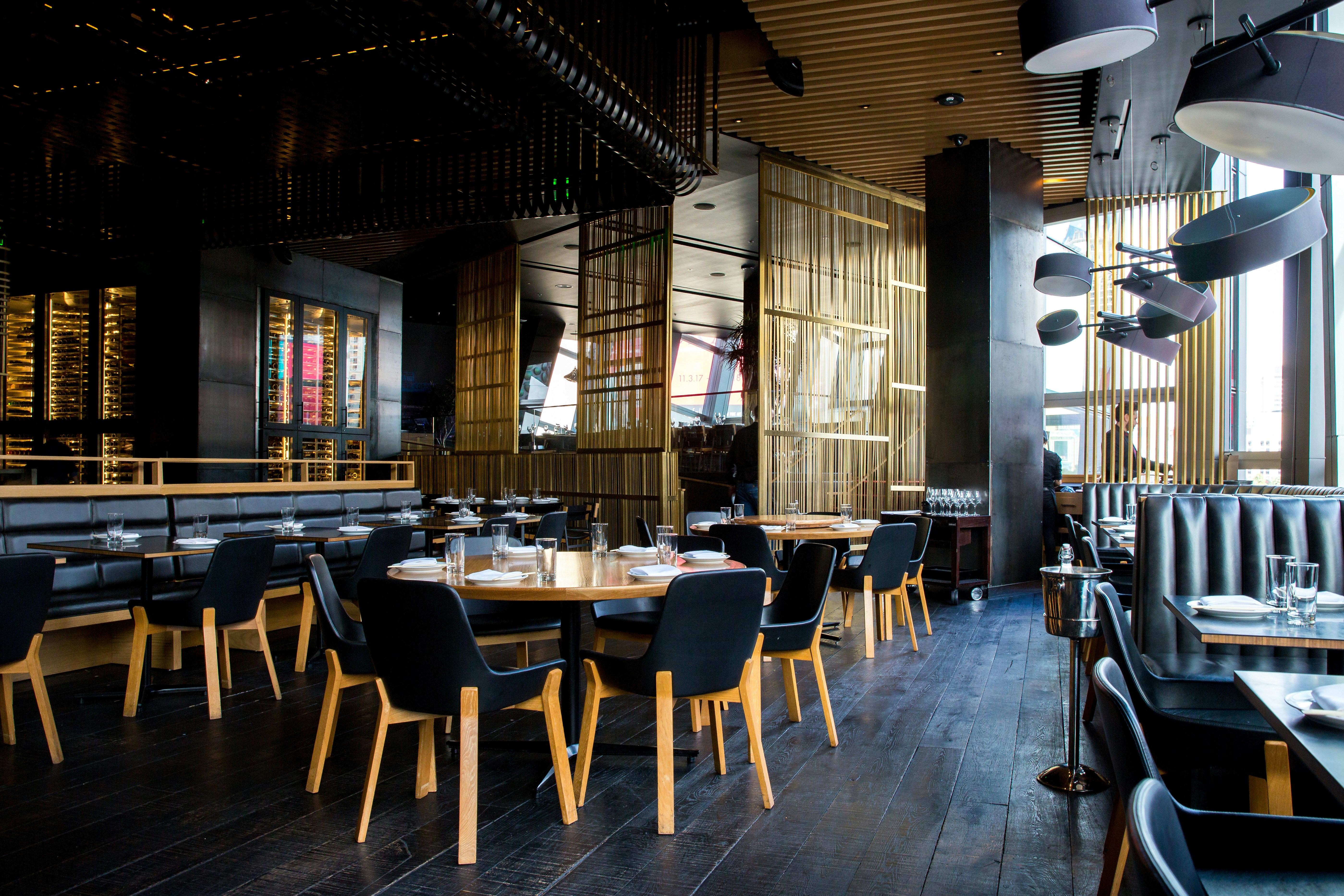
Nomads blend coffee and code. Chiang Mai cafés compete with strong WiFi and work-friendly setups.
  • Specialty coffee shops near Nimman: strong beans, outlets at every table.
  • Old City cafés with garden courtyards and quiet upstairs rooms.
  • University-area cafés with long opening hours and student-friendly pricing.

Cost of living breakdown

  • Accommodation: Dorm beds US$6–12/night, small apartments US$280–400/month.
  • Food: Street food US$1.50–2.50 per meal, mid-range restaurants US$5–8.
  • Cafés: US$2.50–3.50 for lattes, US$3–5 for smoothies or pastries.
  • Transport: Grab rides within city US$1.50–3, motorbike rental US$70–90/month.
  • Coworking: US$6–10/day or US$120/month average.

Visas and stay length

Many nomads enter Thailand on 30-day visa-free stays (for select passports) or tourist visas. For longer terms, options include Education visas, Thai Elite packages, or emerging Digital Nomad visa programs. Always check current requirements with Thai consulates before planning long stays.

Networking and community

Weekly meetups, Facebook groups, and Telegram channels connect nomads in Chiang Mai. Expect language exchanges, hiking groups, coding sprints, and Friday café hops. The community is large enough to find peers in any niche but small enough that familiar faces reappear.

Weekend escapes from Chiang Mai

  • Pai: 3-hour mountain drive, yoga retreats, hot springs.
  • Doi Inthanon: Thailand’s highest peak, waterfalls, hiking.
  • Chiang Rai: Temples and art scenes, reachable by bus in 3 hours.

Money tactics for nomads

  1. Rent monthly apartments instead of nightly hotels.
  2. Eat street food for half your meals, cafés for the rest.
  3. Use a local SIM with data packs (~US$10/month).
  4. Pay by cash for markets, by card at cafés and coworking hubs.
Useful tools for Chiang Mai nomads

Insert affiliate URLs in place of #. Use rel="sponsored".

FAQ: Chiang Mai for digital nomads 2025

How much does it cost to live in Chiang Mai per month?

Budget solo nomads spend US$700–1,100/month including rent, food, coworking, and extras.

Is WiFi reliable in Chiang Mai?

Yes. Cafés and coworking hubs offer 100–500 Mbps connections. Many apartments also provide fiber plans.

Is Chiang Mai still safe for solo travelers?

Chiang Mai remains safe. Petty theft is rare, and locals are welcoming. Basic precautions still apply.


Costs and visa details are typical ranges in 2025. Verify official visa rules and check current coworking prices before arrival.

Thursday, August 28, 2025

Cheap Flights to Southeast Asia: How to Find Hidden Deals

Cheap Flights to Southeast Asia: How to Find Hidden Deals in 2025

Cheap Flights to Southeast Asia: How to Find Hidden Deals in 2025

Updated: 29 August 2025 · Reading time: 10–12 minutes

Airplane flying above clouds at sunrise
Flight prices rise and fall daily. Learn the tricks that reveal hidden bargains to Southeast Asia.

Flying into Bangkok, Kuala Lumpur, or Ho Chi Minh City does not need to crush your budget. Airlines use algorithms to shift prices hourly, but travelers who know when and how to look can score hidden deals that shave hundreds off a round trip. This 2025 guide explains practical strategies—flexible dates, alerts, budget carriers, and smart card use—that keep your Southeast Asia flight ticket closer to backpacker money than premium splurge.

Target price ranges in 2025 (round trip from US/Europe):
West Coast US → Bangkok: US$550–720
East Coast US → Ho Chi Minh: US$650–780
Europe (London/Paris) → Kuala Lumpur: US$480–650

Step 1. Search the right way

  • Use flight metasearch engines with flexible-date calendars (Skyscanner, Kayak, Google Flights).
  • Clear cookies or search in incognito to avoid dynamic pricing patterns.
  • Run 2–3 engines and cross-check. Each displays slightly different fares and carriers.

Step 2. Be flexible with timing

Tuesday and Wednesday departures often show 8–15% lower fares. Shoulder seasons—May/June and late September/October—undercut December–January highs. If you can leave one day earlier or later, the price gap is real.

Step 3. Track mistake fares and flash deals

Airlines and agencies sometimes misload fares or run short flash sales. Sign up for alerts with deal newsletters and set price tracking on apps. When a deal surfaces, act quickly—most vanish within hours.

Step 4. Budget airlines: pros and traps

Why budget airlines save you money

  • Base fares are often 30–50% lower than full-service airlines.
  • Great for short hops: Bangkok → Chiang Mai for US$20–30.
  • Online check-in and mobile boarding streamline the process.

Common pitfalls to avoid

  • Carry-on size limits are strict. Measure before you go.
  • Checked bags can double your fare. Pre-book online at discount.
  • Outlying airports (e.g., DMK instead of BKK) add transfer time and cost.
Budget airline passengers boarding through tarmac stairs
Low-cost carriers make Southeast Asia hops cheap, but read the fine print on luggage and seat fees.

Step 5. Smart payment and card use

Many booking sites add 2–3% foreign transaction fees. Use a no-FX-fee travel card or virtual wallet. Some cards also include travel insurance and flight delay coverage, saving extra costs down the road.

Example booking scenarios

  • San Francisco → Bangkok: Google Flights shows US$590 on Tuesday. Flexible date view shows weekend jump to US$740.
  • London → Kuala Lumpur: Alert spotted error fare at US$410, gone in 6 hours. Normal range US$520–600.
  • Singapore → Krabi: Low-cost carrier promo: US$28 if booked 2 months ahead. Baggage upsell adds US$20 if unchecked.

Checklist before booking

  1. Compare 2–3 search engines plus airline direct site.
  2. Check total cost including luggage, meals, seat choice, and payment fees.
  3. Verify airport location and transfer costs.
  4. Use alerts to watch fares for 1–2 weeks if not urgent.
  5. Pay with a travel card to save on FX fees.
Recommended tools for flight deals

Replace # with your affiliate links. Always mark as sponsored when posting.

FAQ: Cheap flights to Southeast Asia 2025

How far ahead should I book?

Long-haul to Asia: 2–4 months ahead is safe. For budget airlines within Asia: 6–8 weeks ahead hits lowest fares.

Are Tuesday flights always cheaper?

No guarantee, but midweek departures average lower demand and lower fares than weekend peaks.

Should I trust ultra-cheap online agencies?

Check recent reviews. If the fare difference is small, book direct with airline to avoid customer service headaches.

Flight prices vary by season, promotion, and availability. Data reflects typical ranges observed in 2025. Confirm before purchase.

Thursday, August 14, 2025

Best Hostels in Bangkok for Solo Travelers 2025: Areas, Safety, and Real Costs

Best Hostels in Bangkok for Solo Travelers 2025: Areas, Safety, and Real Costs

Best Hostels in Bangkok for Solo Travelers 2025: Areas, Safety, and Real Costs

Updated: 15 August 2025 · Reading time: 10–12 minutes

solo travel Bangkok hostels budget stays
Bangkok skyline at sunset with BTS train passing
Pick a hostel near a train line and a night market. Your social life and budget will both win.

Bangkok is one of Southeast Asia’s easiest cities for solo travelers. The hostel scene is dense, the metro and river boats are inexpensive, and food courts and night markets keep meal costs predictable. Instead of chasing a single “best” hostel, this 2025 guide shows where to base yourself, what to expect by area, how to read hostel listings like a pro, and how to keep your daily spend near a backpacker-friendly range. You can add affiliate-friendly services—insurance, bookings, and transit cards—without pushing your budget off balance.

Typical solo budget per night (Bangkok): Dorm bed US$8–15 • Basic private room US$20–35. Add US$7–12 for food, US$2–4 for city transport, plus small extras for laundry and coffee.

How to choose your Bangkok hostel in 2025

  • Transit first: Prioritize walking distance to BTS/MRT or river pier. Your time and taxi savings compound daily.
  • Social layout: Look for common rooms, rooftop or café space, and events like walks or food crawls.
  • Bed design: Curtains, individual outlets, and locker size matter more than décor.
  • Noise trade-offs: Nightlife streets are fun but loud. Consider a side street within 5–10 minutes.
  • Reviews by solo travelers: Filter for “solo” in recent reviews to judge vibe and safety.

Best areas for solo travelers

Use this area-by-area map to narrow your search. Each zone notes vibe, food access, and transport links.

AreaVibe & FoodTransportWho it fits
Old Town & Khao San Lively backpacker streets, cheap eats, historic sights by day River boats, buses; longer walk to rail First-time visitors who want nightlife and temple access
Chinatown & Talat Noi Street-food heaven, photo-ready lanes, café culture rising MRT + river boats Food-focused travelers who like heritage and markets
Sukhumvit (Asok–Phrom Phong) Modern malls, gyms, international eateries, cowork cafés BTS + MRT interchange Digital nomads, longer stays, late check-ins
Ari & Saphan Khwai Local neighborhood feel, indie cafés, quieter nights BTS stations along main road Solo travelers who want calm and coffee
Silom & Sathorn Weekday business vibe, weekend park time, night markets BTS + MRT + easy river access Balanced access to both Old Town and modern Bangkok
Ratchathewi & Pratunam Wholesale markets, budget food courts, central location BTS + Airport Rail Link nearby Shoppers and airport-conscious quick trips
Riverside (Phra Athit–Wang Lang) Leafy walks, ferries, university canteens River boats + buses Scenery lovers and photographers

Dorm vs Private: what’s worth paying for

When a dorm makes sense

  • You want built-in social life and walking tours.
  • You pack light and don’t mind shared bathrooms.
  • You’ll leave early for day trips and return late from markets.

When a private room is smarter

  • You work online and need quiet calls and predictable sleep.
  • You travel in shoulder/low season with small price gaps.
  • You’re staying a week and value storage and privacy.

Reading hostel listings like a pro

  1. Bed specs first: Check curtain, outlet, lamp, and locker size. Photos should show the pod clearly.
  2. Bathrooms: Ratio of showers to beds, separate floors by gender, hot water reliability.
  3. Aircon policy: Some hostels cycle A/C. Look for 24/7 aircon in dorm rooms if you run hot.
  4. Common areas: Real tables for laptops, shaded outdoor space, water refill station.
  5. Check-in windows: Red-eye arrivals and late buses are common. Confirm 24h desk or self check-in.
Minimal hostel bunk with privacy curtain and reading light
Privacy curtains, lockers, and bedside outlets add more value than fancy décor.

Safety and etiquette for solo guests

  • Use a small padlock for lockers. Keep passport copies in cloud storage.
  • At night markets and ferries, keep your phone front-facing and zipped.
  • In mixed dorms, use headphones and low light after 22:00.
  • Dress modestly for temples. Shoulders and knees covered is a safe rule.

Night markets and food courts near popular zones

Bangkok’s food courts and markets help you eat well under US$10/day. Look for mall food courts on Sukhumvit, Chinatown street stalls after sunset, university canteens around Riverside, and fresh markets in Ari. Carry a reusable bottle and refill where you stay.

Example nightly budgets by area

AreaDorm bedPrivate roomNotes
Old Town/Khao SanUS$9–14US$22–35Noisy streets; pick a side lane for sleep
ChinatownUS$10–15US$25–38Food abundance; MRT + river boats
SukhumvitUS$11–15US$28–40Great transit; cafés for work days
Ari/Saphan KhwaiUS$8–12US$20–30Quiet nights; indie coffee shops
Silom/SathornUS$10–15US$25–38Central for parks and river

2-night sample plans by area

Old Town & Khao San

Day 1: River ferry loop, one temple with low fee, sunset by the river. Day 2: Bike or walk Old Town lanes, cheap pad thai or curry rice at a market, early night if your hostel street is loud.

Chinatown & Talat Noi

Day 1: Street-food crawl and photo walk among shophouses. Day 2: Morning coffee and MRT to parks or museums; return for night street snacks.

Sukhumvit (Asok–Phrom Phong)

Day 1: BTS to a park, then food court dinner. Day 2: Cowork café, late-night dessert market, easy metro rides home.

Money-saving tactics that work in Bangkok

  1. Stay rail-adjacent: Ten minutes to BTS/MRT beats a cheaper bed far away.
  2. Use food courts at lunch: Fixed prices and clean seating.
  3. Alternate nights: Mix dorm nights with the occasional private room.
  4. Do laundry smart: Use coin laundries instead of per-piece hostel services.
Useful tools for booking and protection

Replace the # links with your affiliate URLs. Add rel="sponsored" and UTM tags.

FAQ: Solo hostels in Bangkok 2025

Is Bangkok safe for solo hostel stays?

Yes. Choose hostels with staffed reception, good lighting, lockers, and recent solo-traveler reviews. Use common sense in crowds and at night.

Which area is best for a first visit?

Old Town or Chinatown for classic sights and street food; Sukhumvit for easiest rail access and late-night check-ins.

How far in advance should I book?

For peak weekends and holidays, book 5–10 days ahead for popular areas; otherwise 2–3 days is often enough.

Prices are typical ranges for budget travelers and can vary by season, special events, and availability. Confirm current policies and local notices before travel.

Thursday, July 31, 2025

Backpacking Thailand on $30 a Day: Routes, Tips & Real Costs

Backpacking Thailand on $30 a Day: Routes, Tips & Real Costs

Backpacking Thailand on $30 a Day: Routes, Tips & Real Costs

Updated: 1 August 2025 • Reading time: 10–12 minutes

Backpacker boat ride among limestone cliffs in Thailand
Budget travel, big scenery. Thailand’s highlights are accessible on $30/day with smart choices.

Thailand stays one of the world’s easiest countries for budget travel. With competitive hostels, cheap and tasty street food, and dense public transport, a $30 per day target is realistic without skipping the headline experiences. This guide lays out a practical 10–14 day route, line-item costs, transport hacks, and money-saving tactics that keep your spend predictable while you enjoy Bangkok skylines, northern mountains, and Andaman beaches.

Daily budget at a glance
Bed $8–12 • Food $7–10 • Transport $4–6 • Activities $0–5 • Extras $2–4 → $25–37/day. Aim for $30 average.

Why $30/day works in Thailand

  • Accommodation competition: Hostel dorms and basic guesthouses are plentiful in hubs like Bangkok, Chiang Mai, and Krabi.
  • Street food economy: One-plate dishes and night markets keep per-meal costs low while staying delicious.
  • Public transport network: Trains, ordinary buses, and city transit replace pricey taxis.
  • Free/low-cost sights: Temples, markets, urban parks, and beaches often cost little or nothing.

Sample 12-Day $30/day Itinerary

Balance cities, culture, and coast. Swap days to fit your schedule.

DayDestinationFocusBudget Notes
1–2BangkokOld Town, river ferries, street foodUse boats and MRT. Free temples or low fees.
3Ayutthaya (day trip)Ruins by bikeTrain + bicycle rental cheaper than tours.
4–6Chiang MaiTemples, markets, night bazaarShared songthaew rides. Many free viewpoints.
7Chiang Mai → KrabiTransit dayLook for promo flights booked early or overnight bus/train + bus combo.
8–10KrabiBeaches, island viewpointsUse public boats where possible. Pack snacks.
11–12BangkokLast-minute eats, parksLumpini Park, canal walks, cheap markets.

Real costs: daily breakdown

Prices vary by season and city. These are realistic backpacker targets you can hit without stress:

  • Bed: $8–12 for dorms; $12–18 for basic private rooms in smaller towns.
  • Food: $7–10 if you stick to local rice/noodle plates, market snacks, water refills.
  • Transport: $4–6 mixing city transit, songthaews, and occasional intercity bus/train.
  • Activities: $0–5 using free sights plus one paid entry every few days.
  • Extras: $2–4 for laundry, SIM data top-ups, coffee.

Bangkok on a budget: 48-hour plan

Base near a transit line to cut taxi use. Day 1: explore Old Town with river ferries and walking between temples and markets. Day 2: modern Bangkok with parks and street-food hoods. Night markets supply dinner and people-watching for the cost of a few skewers and iced tea.

  1. Morning: Ride the Chao Phraya boat to the historic zone. Pick one temple with a small fee, then roam free areas and riverside lanes.
  2. Lunch: Street-side noodles or curry rice set. Ask for “no sugar” if you prefer less sweet.
  3. Afternoon: Canal walk or park time for shade and free activities like outdoor gyms.
  4. Evening: Night market dinner. Try one signature dish plus fruit for dessert.

Cheap intercity moves

  • Trains: 2nd-class fan seats are the price sweet spot. Overnight sleepers save a night’s accommodation.
  • Ordinary buses: Slower than VIP but far cheaper. For short hops, minivans are frequent.
  • Promo flights: Book weeks ahead and travel with only a personal item to avoid baggage fees.
Local Thai street food stall with budget dishes
Street food is the backbone of a $30/day plan. Eat where locals queue.

Eat well for less: street-food playbook

The cheapest calories hide in plain sight. Markets, daytime canteens, and mom-and-pop stands rotate dishes through the day. Build your routine: a noodle soup or rice plate at lunch, grilled skewers and fruit at night. Carry a reusable bottle and use water refill stations or hostel coolers.

  • Look for one-dish stalls with displayed prices and locals eating.
  • Mix a hearty carb + protein plate with fresh fruit to stay full.
  • Order iced tea or water to keep drink costs under control.

Free and low-cost sights you should not skip

  • Bangkok: Riverside walks, Chinatown alleys, canal paths, public parks.
  • Ayutthaya: Brick ruins by bicycle; choose one paid site and admire others from outside.
  • Chiang Mai: Old City temples, hill viewpoints, night bazaars with free music.
  • Krabi: Public beaches, jungle hikes, cheap longtail to shared viewpoints when possible.

Money tactics that preserve your $30 target

  1. Set a daily envelope: Withdraw for 3–4 days and split into daily cash envelopes.
  2. Anchor your bed price: Decide your max for dorm/private. Search within that fence only.
  3. Transit first, taxis last: Learn the local bus or rail maps on day one.
  4. Cook rarely, shop smart: Markets beat supermarkets for fruit and snacks.
  5. One paid sight every few days: Rotate free days to rebalance spend.

Packing for frugal comfort

  • Light clothes that wash and dry fast; a compact rain jacket in wet season.
  • Refillable bottle, electrolytes for hot days, compact sunscreen.
  • Microfiber towel, laundry soap sheets, universal adapter, earplugs for dorms.

Safety and common-sense etiquette

Thailand is backpacker-friendly. Keep valuables secure, avoid unmetered taxis, and dress modestly in temples. Hydrate, especially in the south. Respect local queues and cash trays at small shops. Learn a couple of Thai greetings to open smiles and occasional discounts.

When $30/day is tight

Peak season at the beach, last-minute flights, and back-to-back paid attractions will push you over. Compensate with a string of street-food days and free sights. If you need a cushion, plan a mid-trip pause in Chiang Mai or a lesser-known coastal town where rooms drop.

Tools that help a $30/day trip
  • Booking comparators for hostels and guesthouses.
  • Travel insurance for medical coverage and emergencies.
  • No-FX-fee travel card for better ATM and purchase rates.

Add your affiliate links to the items above when ready.

Extend your route

With more time, add Pai from Chiang Mai, a national park near Bangkok, or swap Krabi for the Trang islands for quieter beaches. Keep the cost logic the same: slow down, ride public transport, and spend on the one activity you care about that week.

Prices reflect typical backpacker ranges and can vary by season and availability. Check latest schedules and local notices before travel.
 

Wednesday, July 30, 2025

How to Travel Between Southeast Asian Countries on a Budget (2025 Edition)

How to Travel Between Southeast Asian Countries on a Budget (2025 Edition)

Exploring Southeast Asia doesn’t have to break the bank. With well-connected land and air routes, it’s possible to travel across borders affordably and efficiently.

Backpackers boarding a bus at a Southeast Asian terminal

🚍 1. Cross-Border Buses & Trains

12Go Asia and Bookaway make booking bus and train tickets across countries like Thailand, Laos, Cambodia, and Vietnam easy. Overnight sleeper buses are cheap and time-saving.

✈️ 2. Fly Low-Cost Airlines

Look out for flight deals with AirAsia, Scoot, Nok Air, and VietJet. Use Skyscanner or Hopper to find flexible fares and alerts.

📱 3. Stay Connected Across Borders

Use eSIMs like Airalo to stay online in each country without needing physical SIM cards. Choose regional data packs for convenience.

🛂 4. Know the Visa Rules

Each country has its own visa policy. Check iVisa for entry requirements and apply online in minutes.

✅ Conclusion

Traveling between Southeast Asian nations on a budget is easier than ever in 2025. With a mix of land and air options, smart tech tools, and flexible travel platforms, your adventure is just a booking away.

Book smart. Travel far. Save more.

Monday, July 28, 2025

Where to Eat Cheap and Delicious Food in Southeast Asia’s Major Cities

Where to Eat Cheap and Delicious Food in Southeast Asia’s Major Cities

Traveling on a budget doesn’t mean missing out on amazing food. In fact, Southeast Asia is known for its incredible street food and local meals that cost less than $3 AUD!

Various Southeast Asian street food dishes served in open-air markets

🍜 Bangkok, Thailand

Head to Victory Monument or Chinatown (Yaowarat) for authentic Thai eats. Pad Thai, boat noodles, and mango sticky rice await you.

🍛 Ho Chi Minh City, Vietnam

Try Bánh mì on the street, or warm up with Phở at a local stall. District 1 has endless food alleyways.

🥘 Kuala Lumpur, Malaysia

Check out Jalan Alor for a smorgasbord of flavors—char kway teow, satay, and laksa all under one roof.

🍲 Jakarta, Indonesia

Order nasi goreng or bakso from a warung (local stall) and sip on es teh manis (sweet iced tea).

🗺️ Tips for Eating Like a Local

  • Eat where the locals eat (busy = good)
  • Bring cash (small bills preferred)
  • Say hello or thank you in the local language!
  • Use Google Maps reviews + offline maps

🎟️ Book Food Tours for a Deeper Taste

✅ Conclusion

Whether you're craving spicy Thai curry or Vietnamese coffee, Southeast Asia offers unbeatable value and unforgettable flavors. Skip the tourist traps and dive into real local food experiences.

Bon appétit and happy exploring!

Saturday, July 26, 2025

How to Manage Your Finances as a Digital Nomad

How to Manage Your Finances as a Digital Nomad

Being a digital nomad means freedom—but also responsibility. With income in one currency, expenses in another, and taxes to track globally, it’s crucial to manage your money smartly while living abroad.

Digital nomad checking finances on laptop and smartphone while traveling

🏦 1. Open a Borderless Bank Account

Use multi-currency accounts like Wise or Revolut to receive and spend in different currencies with minimal fees. These platforms offer great exchange rates and fast transfers.

📊 2. Use Budgeting Tools

Apps like YNAB and PocketSmith help you set goals, plan for taxes, and monitor spending—even across time zones.

🛡 3. Protect Your Devices

Always use a VPN when banking or working from public Wi-Fi. Consider NordVPN or Surfshark.

🧾 4. Track Taxes & Invoicing

Use tools like Quaderno or FreshBooks to stay compliant. Consider speaking to a nomad-friendly tax advisor.

✅ Conclusion

You don’t have to sacrifice financial control to live your dream life abroad. With the right apps and accounts, managing your money can be just as mobile as you are.

Start optimizing today—travel smart, spend wisely, and live freely!


How to Stay Fully Productive While Dealing with Visa Runs and Border Crossings

How to Stay Fully Productive While Dealing with Visa Runs and Border Crossings ...